
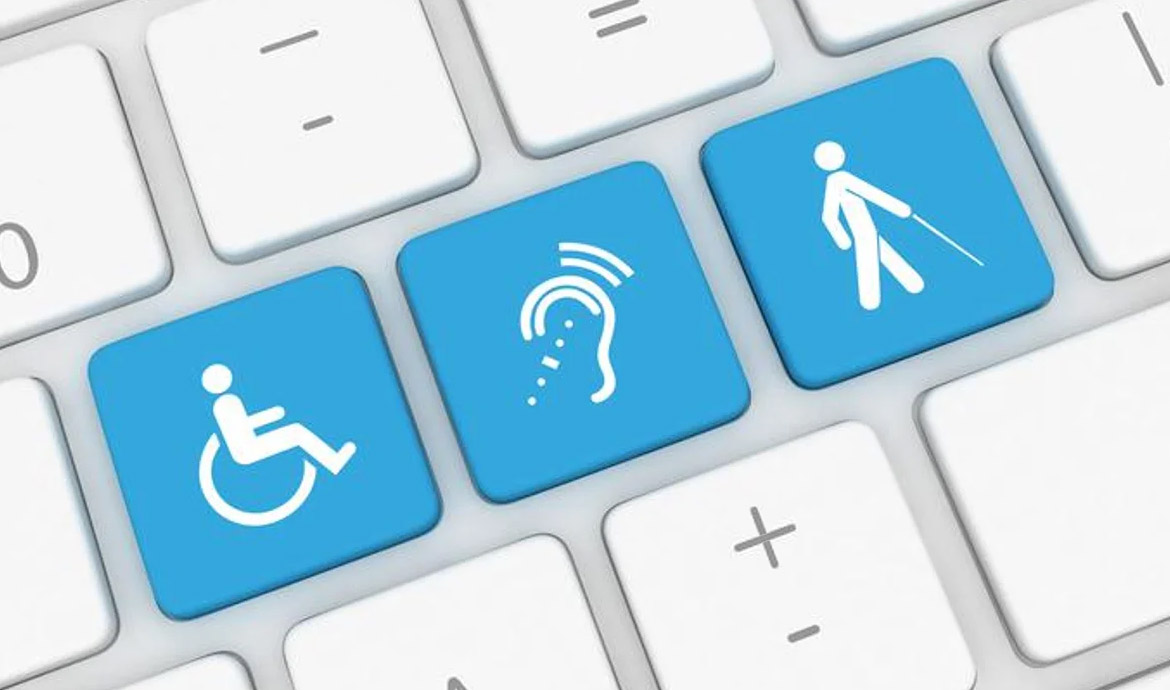
CAT: Accessibility
SOFTWARE: Adobe Suite, Figma, Loom, GitHub, PYRO, ASANA
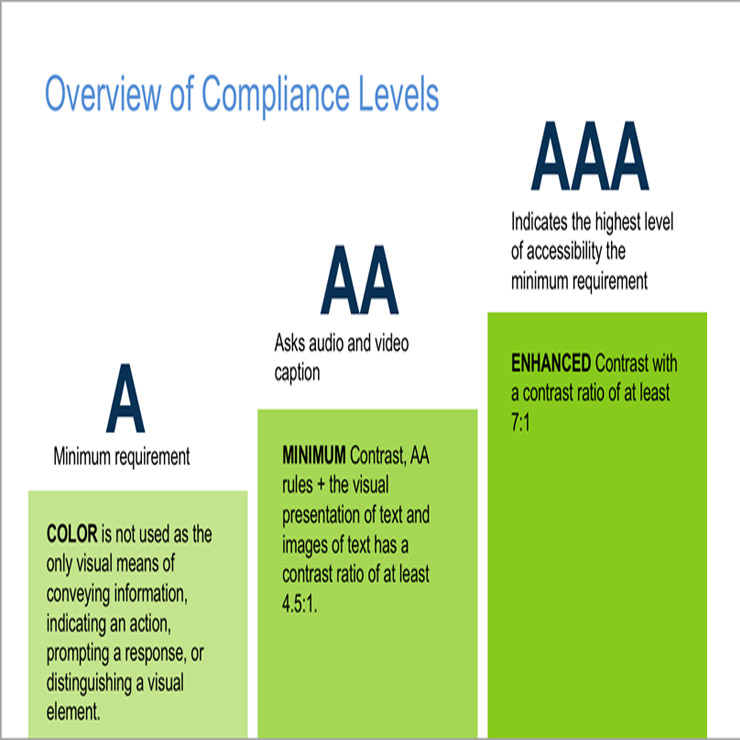
SERVICES: A-AA-AAA Automated and Manual Audits, Tiered Programming Solutions
01. The Challenge
Ensuring Website Accessibility for All
Website accessibility is the practice of designing and developing websites in a way that allows people with disabilities to access and use them. However, despite efforts to make websites more accessible, many people with disabilities still face significant barriers to accessing online content. This is a major challenge that requires ongoing attention and effort from website designers, developers, and business owners.
02. The Solution
Advancements in Website Accessibility Technology and Design
Fortunately, there are a number of advancements in website accessibility technology and design that are helping to overcome these challenges. Here are some of the most promising:
Responsive Design: Responsive design is an approach to website design that ensures that websites are accessible and usable on a variety of devices, including smartphones, tablets, and desktop computers. This is important for people with disabilities who may rely on assistive technologies like screen readers or magnifiers to access online content.
Alternative Text: Alternative text, or alt text, is a short description that is added to images on a website to help people with visual impairments understand what is being shown. This is important for people with visual impairments who may rely on screen readers or other assistive technologies to access online content.
Captioning and Transcripts: Captioning and transcripts are ways to make audio and video content accessible to people with hearing impairments. Captioning involves displaying text on the screen that describes what is being said in an audio or video clip, while transcripts are written versions of the audio or video content.
Accessible Forms: Accessible forms are designed in a way that allows people with disabilities to input information and navigate the form easily. This can include providing clear labels for form fields, using larger font sizes, and allowing users to navigate the form using the keyboard instead of a mouse.
Assistive Technologies: Assistive technologies like screen readers, text-to-speech software, and braille displays can help people with disabilities access and navigate online content. These technologies are becoming more advanced and more widely available, making it easier for people with disabilities to access online content.
Web accessibility means that people with disabilities can use the Web.” – Tim Berners-Lee, inventor of the World Wide Web.
03. The Result
Increased Accessibility and Inclusion for All
With these advancements in website accessibility technology and design, we are already seeing increased accessibility and inclusion for people with disabilities. Websites that are designed with accessibility in mind are not only more usable for people with disabilities, but also for everyone. This is because many of the features that make websites accessible, like clear labels and easy navigation, also make them more user-friendly for all users. As website designers, developers, and business owners continue to prioritize accessibility, we can look forward to a more inclusive online world where everyone can access and enjoy online content. C42 is your direct contact for building, repairing and verifying accessibility for your website/s or applications.